Iverson Road Flat Moves West Hampstead Man and Van Tips
Moving out of a flat on Iverson Road in West Hampstead can be straightforward, but only if the small details are handled well. Narrow entrances, awkward parking, shared stairwells, awkward wardrobes that seemed fine until moving day - you know the sort of thing. These are the moments where good Iverson Road flat moves West Hampstead man and van tips really pay off.
This guide is built for anyone planning a local flat move and wants fewer surprises, less stress, and a cleaner handover at the other end. It explains how a man and van move usually works, what to prepare, what to avoid, and how to make the most of a short-distance London move without turning it into a weekend-long saga. If you want the wider picture of the company behind the move, you can also read the about us page, or check the pricing and quotes page if you are already in planning mode.
Truth be told, a flat move is often less about heavy lifting and more about coordination. That is where this article helps. It covers practical timing, access, packing, compliance, local logistics, and the kind of on-the-day decisions that can save you money and a lot of faff.
Table of Contents
- Why Iverson Road flat moves West Hampstead man and van tips Matters
- How Iverson Road flat moves West Hampstead man and van tips Works
- Key Benefits and Practical Advantages
- Who This Is For and When It Makes Sense
- Step-by-Step Guidance
- Expert Tips for Better Results
- Common Mistakes to Avoid
- Tools, Resources and Recommendations
- Law, Compliance, Standards, or Best Practice
- Options, Methods, or Comparison Table
- Case Study or Real-World Example
- Practical Checklist
- Conclusion
- Frequently Asked Questions
Why Iverson Road flat moves West Hampstead man and van tips Matters
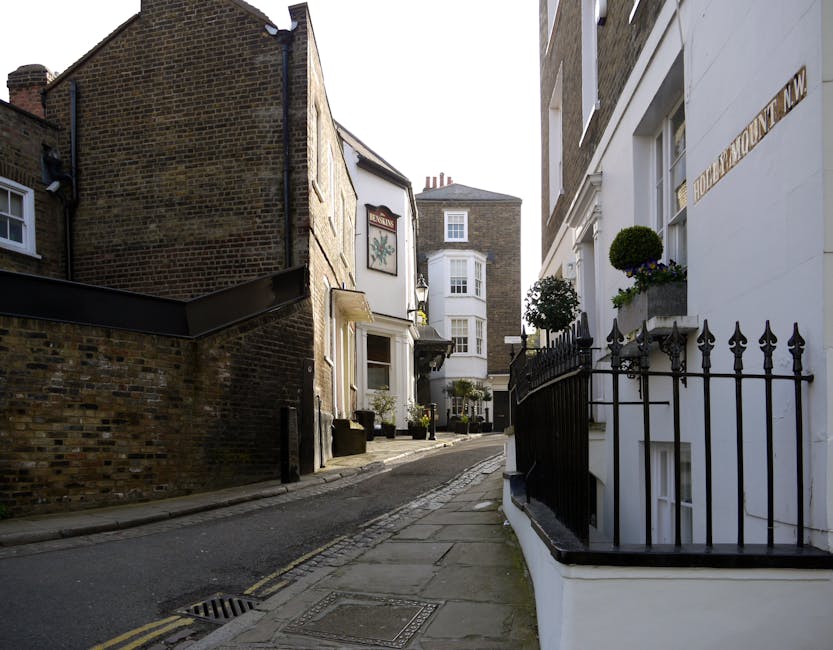
Iverson Road sits in one of those parts of London where the move looks simple on paper and then gets complicated by real life. Flats are often in converted buildings, parking can be tight, and there is usually at least one awkward item that refuses to behave - a sofa, a mattress, a dining table, or a washing machine that suddenly feels twice its weight at the top of the stairs.
That is why local moving advice matters. A man and van service is usually the right fit for a flat move of this size, but the job only goes smoothly if the move is planned around the building, the street, and the amount of lifting involved. West Hampstead traffic, shared access, and time pressure can all shape the day. Ignore those factors and you end up paying for delays rather than transport.
The best planning starts with a clear view of the actual move, not just the postcode. Is the flat on the second floor with no lift? Are there fragile items that need special packing? Is there a controlled parking space, or will the van need to load from a side street? These questions sound small. They are not small on moving day.
Practical takeaway: local flat moves are won by preparation. The better you plan access, packing, and timing, the more likely your man and van move will feel calm, quick, and properly organised.
There is also a trust factor. If you are inviting people to handle your belongings, you want clear communication, sensible care, and proper insurance and safety standards. That is part of why many people check a company's insurance and safety information and health and safety policy before they book. Fair enough too.
How Iverson Road flat moves West Hampstead man and van tips Works
A man and van move is usually a flexible, smaller-scale moving service designed for flat moves, studio relocations, partial house moves, student moves, and single-item transport. In practice, it means one or more movers arrive with a suitable van, help load items, transport them, and unload at the destination.
For a West Hampstead flat move, the process usually works best in stages:
- Assessment: you describe what is being moved, where from, where to, and what access looks like.
- Planning: the move is scheduled around traffic, parking, lift access, and your preferred time slot.
- Packing and prep: items are boxed, wrapped, labelled, and made easy to carry.
- Loading: furniture and boxes are loaded in a safe order to reduce damage and wasted time.
- Transport: the van carries the load to the new address, often with a direct local route.
- Unloading and placement: items are taken into the correct rooms, if agreed, and checked off.
Simple enough, but the quality sits in the details. A good mover will ask about stair counts, parking restrictions, bulky items, and whether anything needs dismantling. That is not fussiness. That is professionalism. If your quote process feels too quick and no one has asked about access, it may be worth pausing and comparing options through the pricing and quotes page.
On the customer side, your main job is to reduce uncertainty. Label the boxes, empty the drawers, protect breakables, and make sure the path from flat to van is as clear as you can make it. A tiny bottleneck at the front door can slow the whole job. Happens all the time.
Key Benefits and Practical Advantages
There are a few clear reasons people choose a man and van for an Iverson Road flat move rather than a larger removals setup. The biggest one is fit. A smaller vehicle and a more focused team can be a better match for a compact London move, especially when the load is moderate and the route is short.
- Better value for smaller moves: you are not paying for space or manpower you will never use.
- Local flexibility: timings can often be arranged more easily around work, lease handovers, or building access.
- Quicker turnaround: for a local West Hampstead move, less travel often means less waiting around.
- More personalised handling: smaller moves can allow more attention to fragile items and awkward furniture.
- Less disruption: if you are moving out of a lived-in flat, this matters more than people expect.
There is also a psychological benefit. A local move can feel chaotic because everything is close together - the old flat, the van, the new place, the keys, the cleaning, the "where did I put the kettle?" moment. A well-run man and van move gives the day some shape. That alone can take the edge off.
If sustainability matters to you, it is also worth looking at how waste is handled. Packing materials, unwanted items, and recyclable cardboard can all be dealt with more responsibly when you plan ahead. The company's recycling and sustainability information can help set expectations.
Who This Is For and When It Makes Sense
This kind of move is especially useful if you are:
- leaving a one-bedroom or two-bedroom flat in West Hampstead
- moving from a converted building, mansion block, or upper-floor apartment
- relocating locally and do not need a full-size removals team
- transporting a few key pieces of furniture plus boxes
- moving on a weekday, in a time window, or between tenancy dates
- combining moving with storage, redecorating, or a same-day key handover
It also makes sense if you are doing a partial move. Maybe you have already moved most of your things and only need help with the heavier pieces. Or maybe you bought a sofa, bed frame, or desk and want it moved safely without borrowing a car you do not trust to survive the job. We have all been there.
A man and van may not be the best fit if you are moving a very large household, have lots of fragile antiques, or need a complex multi-stop relocation. In those cases, a bigger removals service can be more suitable. But for most flat moves around Iverson Road, the man and van model is often the sweet spot.
Step-by-Step Guidance
Here is a practical way to approach the move so you are not scrambling at the last minute. It is not fancy, just effective.
1. Walk the flat before you do anything else
Do a slow room-by-room scan. Identify bulky furniture, fragile items, items that can be dismantled, and anything that needs protection. Think about the route out of the flat too. A mirror that fits through the living room door may still catch on the hallway corner. Annoying, but very common.
2. Measure awkward items and access points
Measure your sofa, bed base, wardrobe, fridge, and large boxes. Then check the doorway widths, stair turns, and lift size if there is one. If you know an item is borderline, mention it early. That allows the mover to plan the lift properly and avoids awkward surprises on the day.
3. Pack for carry speed, not just storage
Boxes should be strong, sealed properly, and not overloaded. Heavy things like books belong in smaller boxes. Light but bulky things can go in larger boxes. Label each box clearly by room. This saves time during unloading and helps you avoid the classic "which box has the bedding?" question at 9 p.m.
4. Confirm access and parking
Parking is often the tricky bit in a West Hampstead move. Make sure you know where the van can stop safely, how long loading might take, and whether any restrictions apply outside your building. Even a few minutes' uncertainty can become a stress point if the van has nowhere easy to pause.
5. Protect the fragile and sentimental items first
Pack breakables separately and make them obvious. If something matters to you - and let's face it, some things do more than others - keep it with you if possible. Documents, jewellery, medication, chargers, and keys should not disappear into the same box as the toaster.
6. Prepare a clear unloading plan
At the new flat, decide where major items should go before they arrive. A quick room plan helps a great deal. If the movers know where the bed, sofa, and kitchen boxes are going, unloading becomes fast and calm rather than a game of Tetris with back pain.
Expert Tips for Better Results
In our experience, the best flat moves are the ones where the customer removes friction before anyone arrives. That sounds obvious, but it is amazing how much time gets lost to avoidable little things.
- Start one day earlier than you think you need to. Packing always takes longer than the optimistic version of your brain expects.
- Use one box for first-night essentials. Put kettle, tea, charger, loo roll, medications, and basic tools in one easy-to-find box.
- Disassemble furniture only when it genuinely helps. Sometimes a frame moves better in pieces. Sometimes it does not. Be practical, not heroic.
- Photograph cable setups before unplugging anything. Future you will be grateful when the TV, router, and desk setup need to be rebuilt.
- Keep stairways and hallways as clear as possible. Even a single bin bag in the wrong spot can slow the whole move.
- Tell the mover about access quirks early. Tight turning, split-level entrances, and basement steps should be mentioned up front.
A small but useful trick: put the last things you want loaded near the front door and the first things you want unloaded at the back of the van or in a separate labelled stack. It is a simple thing, but on a busy moving day it makes a real difference.
If your move involves a payment stage or deposit, make sure you understand the provider's process beforehand. The payment and security page can help you review how safe transactions and booking details are handled.
Common Mistakes to Avoid
Most moving problems are not dramatic. They are just small errors that compound. Here are the ones worth avoiding.
- Underestimating the volume of belongings. One flat's worth of furniture often looks manageable until it is all boxed up together.
- Leaving packing until the final evening. This leads to poor labelling, mixed-up boxes, and more breakages.
- Ignoring access issues. If the van cannot park close enough, the move takes longer and costs more.
- Overloading boxes. Heavy boxes split. Split boxes slow everything down. Simple as that.
- Not protecting furniture surfaces. A few extra sheets, covers, or blankets can prevent scratches that bug you for months.
- Forgetting to check building rules. Some blocks have booking requirements for lifts or loading times.
- Assuming every mover handles everything the same way. They do not. Ask exactly what is included.
One less obvious mistake is failing to think about the destination flat. People focus so much on getting out of the old place that they forget to prepare the new one. Then the boxes arrive and there is nowhere to put them. Not ideal. Not even close.
Tools, Resources and Recommendations
You do not need specialist equipment for a successful local flat move, but a few practical tools make life much easier.
| Item | Why it helps | Best use |
|---|---|---|
| Strong moving boxes | Protects contents and stacks more safely | Books, kitchenware, clothing, household items |
| Packing tape and labels | Keeps boxes sealed and easy to identify | Room labelling and fragile marking |
| Furniture blankets or covers | Reduces scuffs and surface damage | Tables, wardrobes, sofas, white goods |
| Bubble wrap or paper wrap | Protects breakables and awkward items | Glassware, lamps, mirrors, decor |
| Basic toolkit | Helps with dismantling and reassembly | Bed frames, shelving, flat-pack furniture |
| Notebook or phone notes | Keeps track of what goes where | Inventory, room plan, access notes |
For service-related preparation, the most useful resources are usually the company pages that explain how they work and what to expect. If you need to clarify the business background, the about us page is a sensible starting point. If you want to understand how feedback is handled, the complaints procedure page is worth reading too. Nobody books a move hoping for issues, of course, but it is reassuring to know there is a process if something needs attention.
And if you need to get in touch about a move, the contact us page is the direct route. Simple, no drama.
Law, Compliance, Standards, or Best Practice
For a flat move, the main compliance concerns are usually practical rather than highly technical. You are generally looking at safe lifting, careful handling, fair booking terms, secure payment, and sensible respect for building access rules. That may sound ordinary, but ordinary is exactly what protects you from hassle.
In the UK, movers are expected to work in line with normal safety practice, and customers should be clear on what the service includes, how items are handled, and what happens if access is difficult. Good providers usually explain these points in plain English rather than hiding them in vague language. The terms and conditions page is the place to check the booking structure, while the health and safety policy and insurance and safety information help set expectations around care and responsibility.
It is also sensible to think about privacy and payment handling. Moving often involves addresses, phone numbers, access notes, and payment details, so you want to know how that information is used and protected. The site's privacy policy and payment and security pages are relevant here.
For most customers, the best best-practice checklist is simple: get a clear quote, confirm what is included, disclose access issues, pack safely, and keep communication open. That is the whole game, more or less.
Options, Methods, or Comparison Table
If you are deciding how to move from Iverson Road, it helps to compare a few common options. The right choice depends on how much you own, how much help you want, and how much time you have. No one-size-fits-all answer here.
| Option | Best for | Pros | Watch-outs |
|---|---|---|---|
| Man and van | Small to medium flat moves, local relocations | Flexible, usually efficient, often cost-effective | Needs clear access information and sensible packing |
| Self-move | Very small loads, tight budgets, short runs | Maximum control, no labour charge | Heavy lifting, vehicle stress, more risk of damage |
| Full removals team | Larger households, complex moves, more fragile goods | More hands, more support, broader service scope | Often higher cost than a smaller local move |
For many West Hampstead flat moves, man and van is the sweet spot. It gives enough support without becoming overkill. If your move is just a few streets away, that balance is especially useful. You do not need a convoy for every move, after all.
Case Study or Real-World Example
Here is a realistic example based on the sort of local move people often make. A tenant in a one-bedroom flat near Iverson Road is moving to a nearby property in West Hampstead. They have a bed frame, mattress, small sofa, desk, two chairs, a bookcase, and around twenty boxes. The building has a narrow stairwell and no lift. Parking is limited outside both addresses.
Instead of waiting until the final day, they start with the big items. The bed is dismantled, screws are bagged and taped to the frame, the mattress is wrapped, and the desk is cleared. Boxes are labelled by room, with one "first night" box set aside for bedding, mugs, toiletries, and chargers. They send the mover access details in advance, mention the stairs, and confirm the loading plan.
On moving day, the van arrives at the agreed time, the team knows which items are fragile, and the move is completed in one tidy run. No one is carrying random loose items at the last minute. No one is asking where the lamp went. It is not glamorous, but it works. And honestly, that is what people want.
The key lesson from this example is simple: the move feels easy because the work was done before the van arrived. Preparation quietly does the heavy lifting.
Practical Checklist
Use this checklist a day or two before the move. It is short on purpose.
- Confirm move date, arrival window, and contact details
- Check stair access, lift use, and any building rules
- Arrange parking or loading access where possible
- Pack fragile items separately and label them clearly
- Disassemble furniture only if needed for access
- Protect floors, corners, and furniture surfaces if relevant
- Set aside documents, keys, chargers, and medications
- Prepare a first-night essentials box
- Clear hallways, doorways, and entry points
- Make sure the new address is ready for unloading
- Keep payment details and booking information handy
- Walk through the flat once more before leaving
If you are unsure about any point, ask early. A short question in advance is better than a long delay on the day. Every time.
Conclusion
Iverson Road flat moves in West Hampstead are usually very manageable when the planning is done properly. A man and van service can be an excellent fit for local flat moves, but the real benefit comes from preparation: clear access, sensible packing, realistic timing, and honest communication about what needs moving.
If you focus on the practical basics, the day becomes much easier. You avoid the common traps, reduce the risk of damage, and keep the move moving. That is the goal, really - a calm handover, no last-minute panic, and a new start that feels organised rather than overwhelming.
Get a free quote today and see how much you can save.
And if you are still weighing up your next step, that is fine too. A good move starts with a clear plan, one box at a time.
Frequently Asked Questions
What makes a man and van suitable for an Iverson Road flat move?
A man and van is usually a good fit for smaller and medium flat moves because it is flexible, practical, and often better matched to local London access than a large removals truck. It works well when the load is manageable and the route is short.
How far in advance should I book a West Hampstead flat move?
As early as you can, especially if you need a specific day or time. Flat moves can be arranged fairly quickly, but leaving it to the last minute limits your options and can make access planning harder.
Do I need to dismantle furniture before the van arrives?
Only where it helps with access or safety. Beds, large wardrobes, and some desks are easier to move in pieces, but not every item needs to be dismantled. If you are unsure, ask in advance rather than guessing on moving day.
How can I make loading faster?
Label boxes, clear hallways, wrap fragile items properly, and make sure the movers know which items are going first. A clear path from flat to van speeds things up more than people realise.
What should I tell the mover before the job starts?
Share the number of items, any large furniture, stair access, lift availability, parking restrictions, and anything fragile or awkward. The more accurate the information, the smoother the move tends to be.
Is a man and van cheaper than a full removals service?
Often, yes, especially for smaller local moves. But the real comparison depends on volume, labour needed, access difficulty, and how much time the job will take. A clear quote is the best way to compare properly.
What if parking is difficult outside Iverson Road?
That is common in parts of West Hampstead, so it should be discussed before the move. If loading access is awkward, the mover may need to plan extra time or a different stopping point. Mentioning it early is the smart move.
Should I pack everything into large boxes?
Not really. Smaller boxes are better for books and heavy items, while larger boxes suit lighter goods. Overfilled boxes are harder to carry and more likely to split. Simple rule: if it feels too heavy to lift safely, it probably is.
How do I know if the mover is properly prepared?
Look for clear communication, sensible questions about access, straightforward booking terms, and transparent information about safety and insurance. If they ask detailed questions, that is usually a good sign, not a nuisance.
What should I keep with me personally on moving day?
Keep keys, ID, medication, chargers, valuables, and any important documents with you. It saves time and reduces the chance of something important being packed in the wrong box. Nobody wants to unpack every carton to find a passport.
Can I combine packing help with transport?
Depending on the service arrangement, yes, but it should be agreed clearly before the day. Make sure you understand what help is included so there are no awkward assumptions when the van arrives.
What is the most common mistake people make on flat move day?
Leaving too much for the final hour. That is usually where stress begins: unlabelled boxes, loose cables, unwrapped mirrors, and missing essentials. If you front-load the prep, the whole day feels much easier.